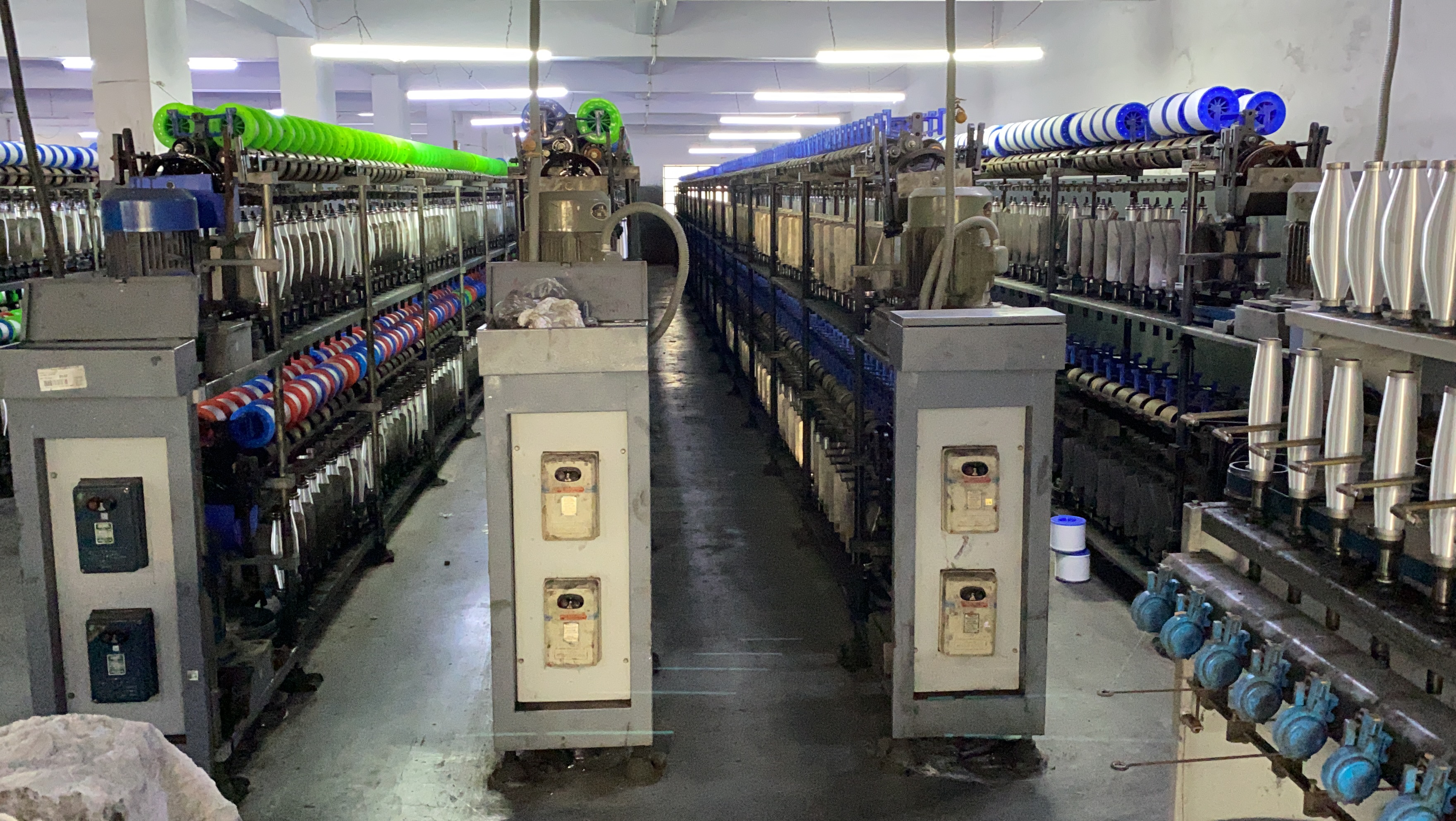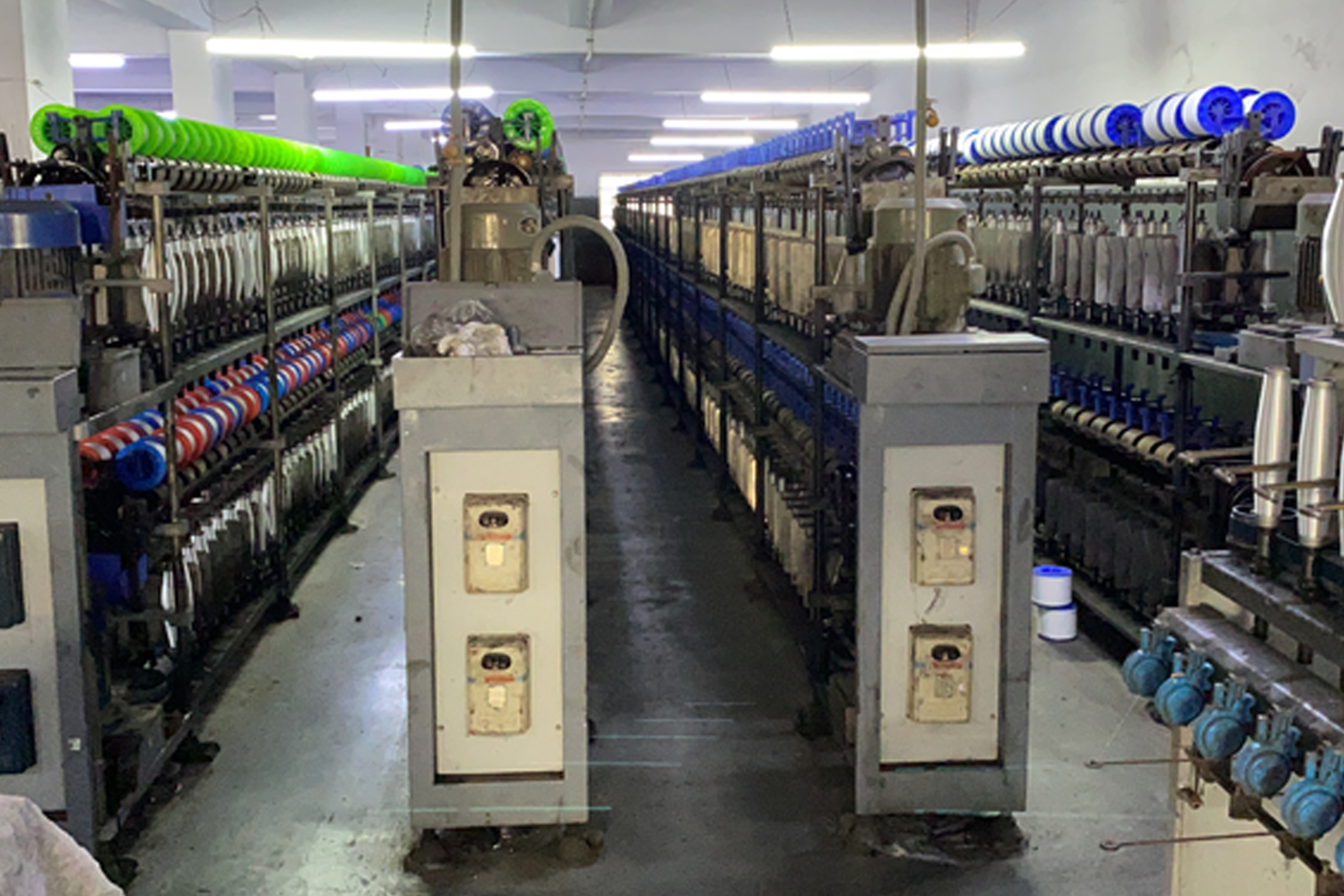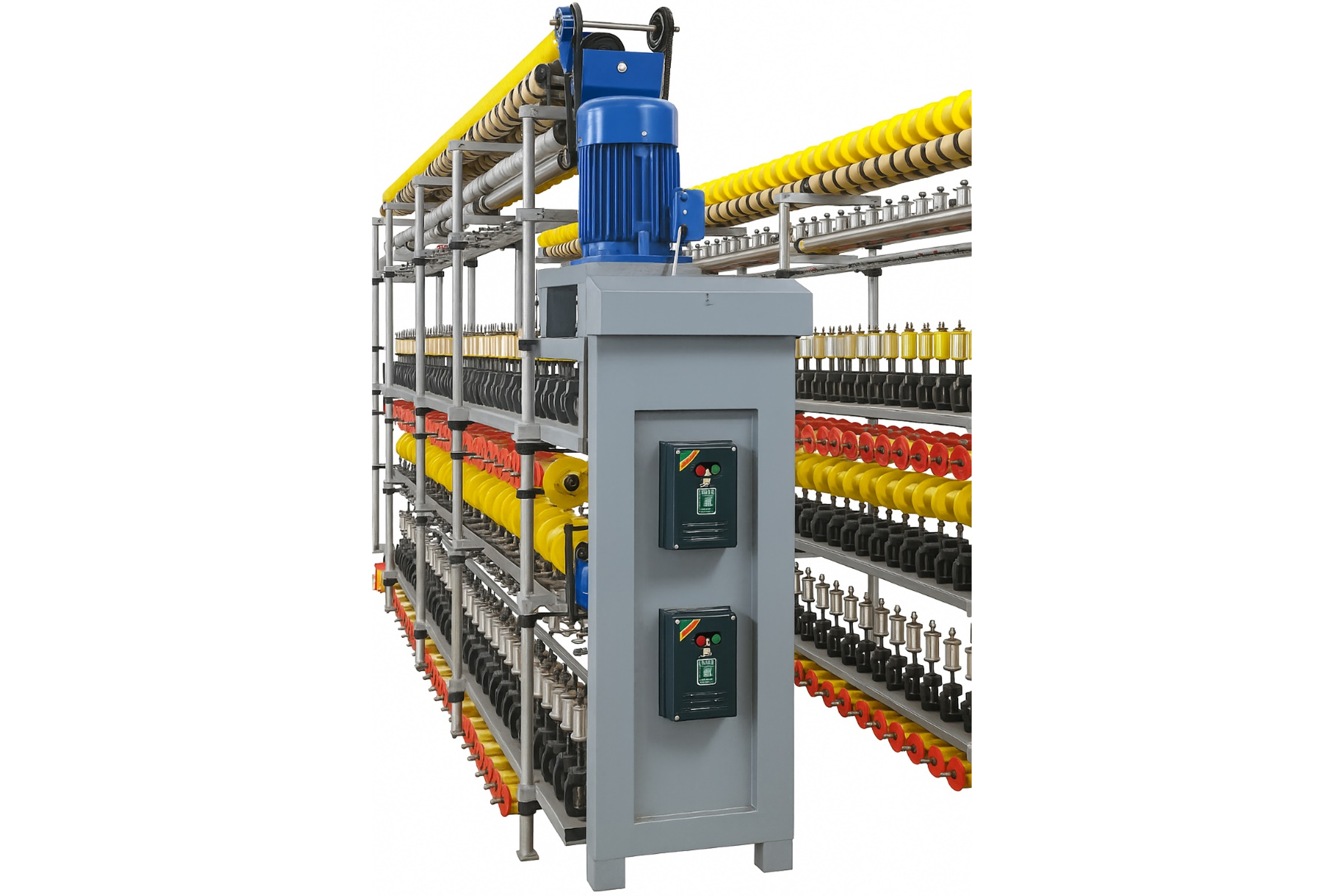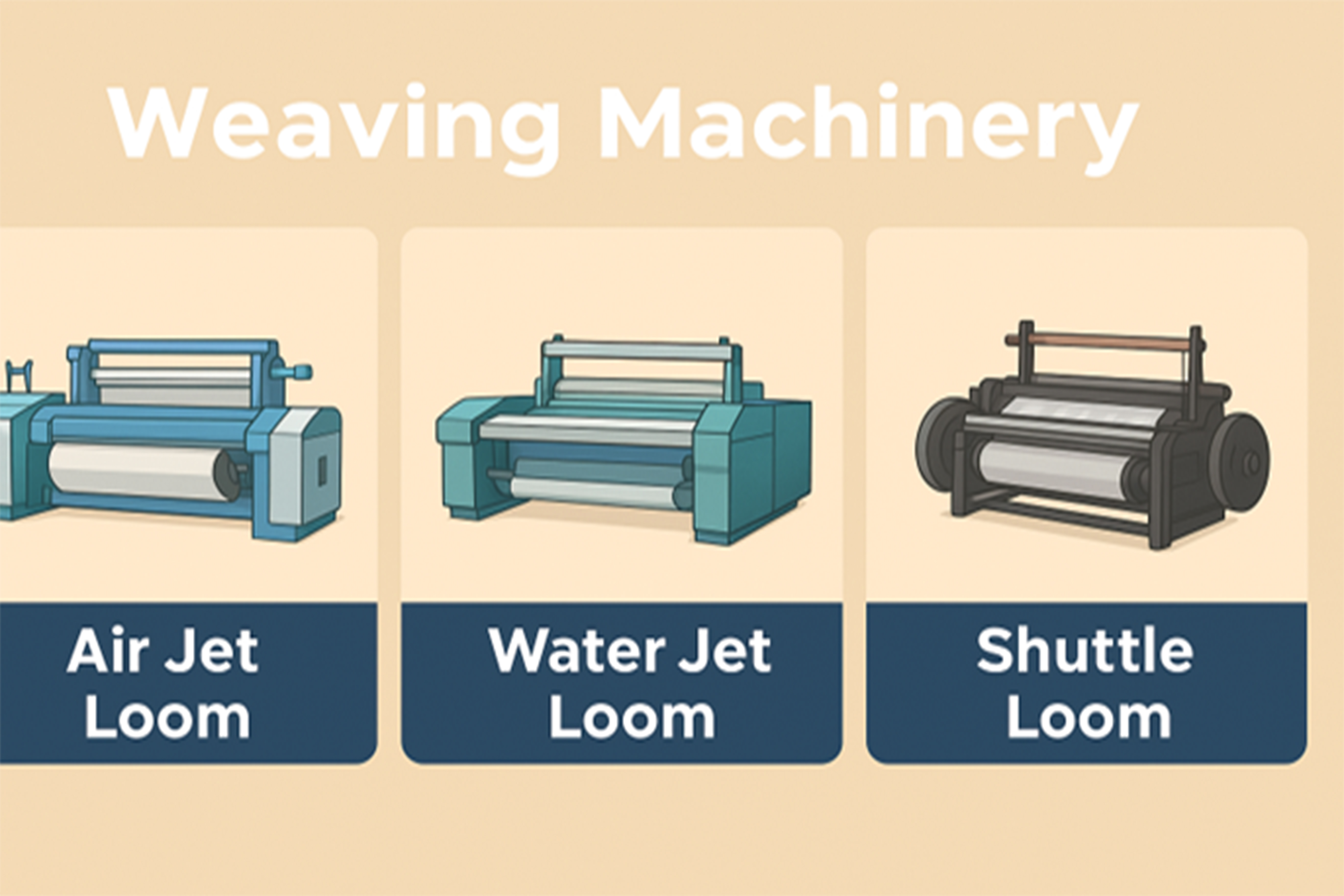
In today's competitive textile industry, success is not only about producing more yarn. It is about producing better yarn with consistent quality, lower production costs, and higher efficiency. This is why choosing the right Yarn Twisting Machine is one of the most important decisions for any textile manufacturer.
Many factory owners focus only on machine price while purchasing new equipment. However, an inexpensive machine that delivers poor yarn quality, consumes more power, or requires frequent maintenance can become a costly mistake in the long run.
Whether you are producing cotton yarn, spun yarn, polyester yarn, nylon yarn, or filament yarn, selecting the right twisting machine can directly impact your production quality and profitability.
A yarn twisting machine is responsible for improving the strength, durability, uniformity, and performance of yarn before it moves to weaving, knitting, sewing thread manufacturing, or technical textile production. A high-quality twisting process helps reduce yarn breakage, improves fabric appearance, and ensures smooth downstream operations.
When the wrong machine is used, manufacturers often face:
This is why selecting the right machine should be viewed as a long-term investment rather than a simple purchase.
The first step is identifying the type of yarn your factory processes.
Different textile applications require different twisting technologies. Cotton yarn, spun yarn, embroidery thread, polyester filament, nylon filament, viscose, and acrylic yarns all have unique processing requirements.
Before making a decision, ask:
Answering these questions will help narrow down the most suitable machine configuration.
Many buyers are attracted by machines that promise high spindle speeds. While speed is important, yarn quality should always come first.
A well-designed machine should deliver:
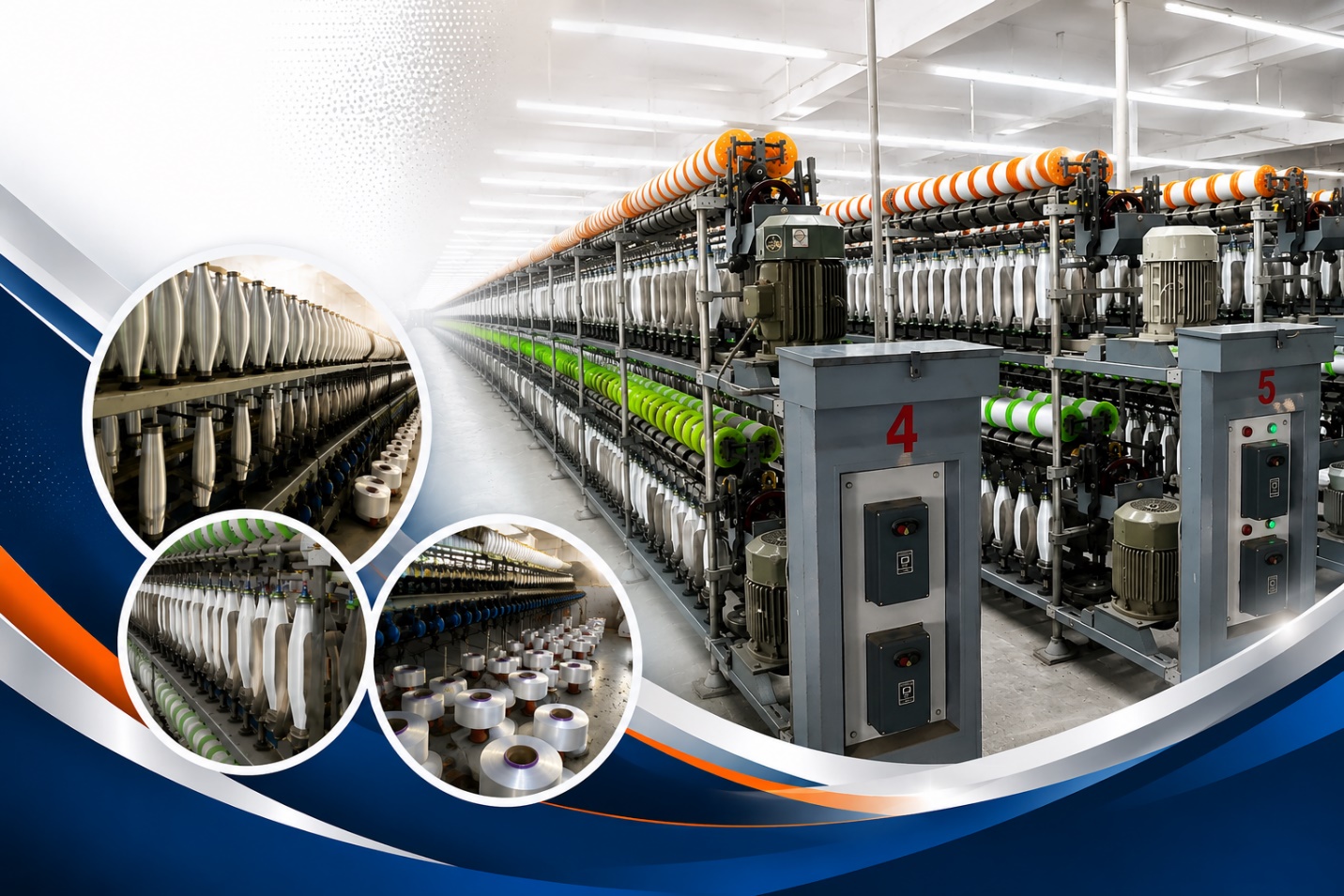
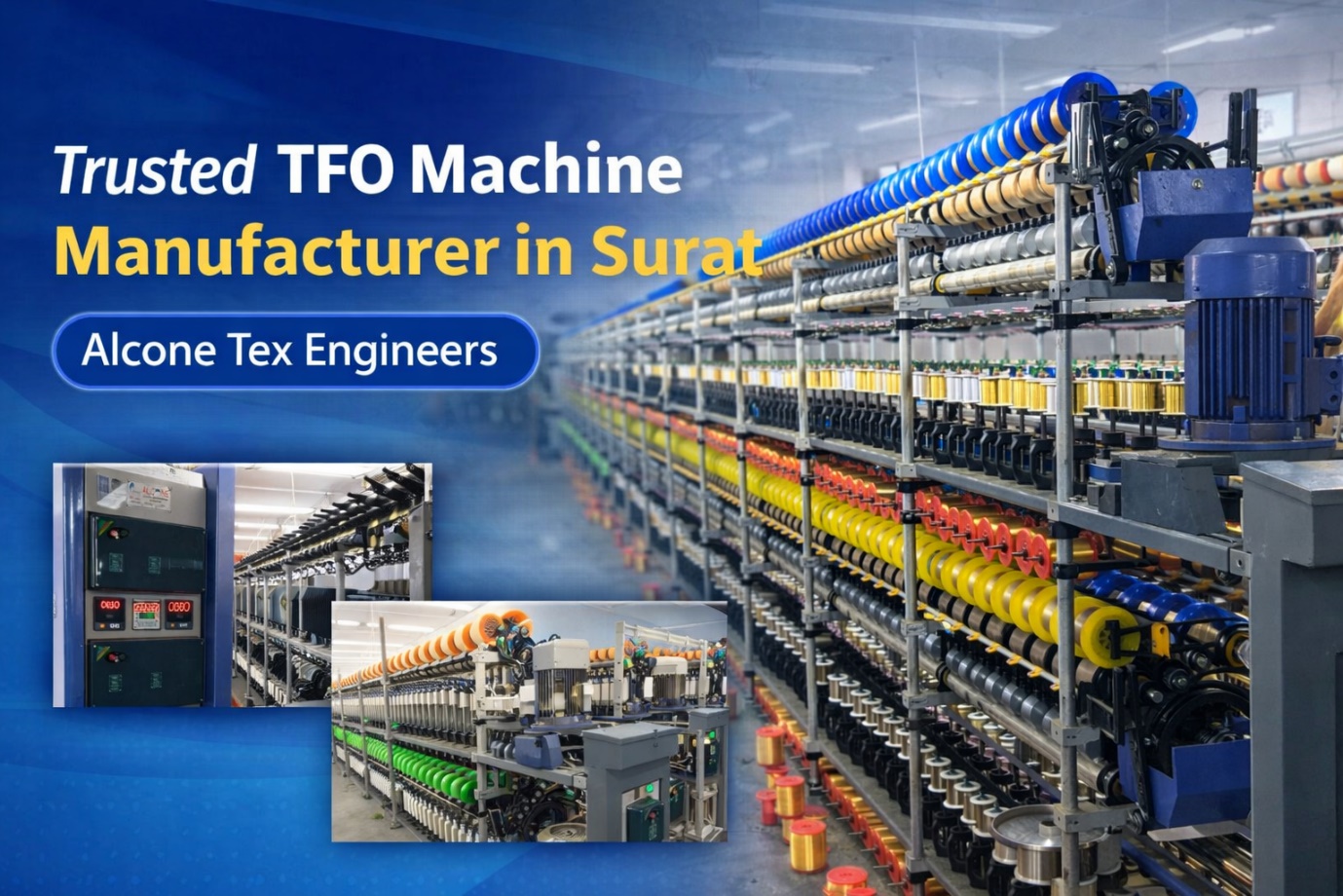
Modern TFO (Two-for-One) machines are particularly popular because they can produce two twists in a single spindle rotation, resulting in better productivity and consistent yarn quality.
When evaluating machines, always request sample yarn output and compare quality before making a purchase.
Electricity is one of the biggest operational expenses in textile manufacturing.
A machine that consumes less power can significantly reduce production costs over time. According to Alcone Tex Engineering, advanced machine designs can help manufacturers save power while maintaining production efficiency. Their machines are also designed with energy-efficient spindle systems and robust structures that reduce unnecessary power loss.
Instead of asking only about machine price, ask:
This simple question can save your business thousands of rupees every year.
Textile machinery operates continuously for long hours. Therefore, machine durability is critical.
A heavy-duty structure provides several advantages:
Machines built with strong engineering standards maintain performance for years while minimizing unexpected breakdowns. Alcone Tex Engineering emphasizes heavy-built machine construction specifically to improve machine life and production quality.
One common mistake made by factory owners is buying a machine only for their current requirements.
Imagine your production doubles within the next three years. Will your machine still support your business?
A smart investment should support future expansion. Modern TFO systems with multiple spindle configurations and flexible production capabilities allow manufacturers to increase output without replacing the entire setup.
Buying with future growth in mind often provides a much better return on investment.
A machine is only as reliable as the company behind it.
When choosing a supplier, evaluate:
Companies with decades of experience often understand practical production challenges better than newer manufacturers.
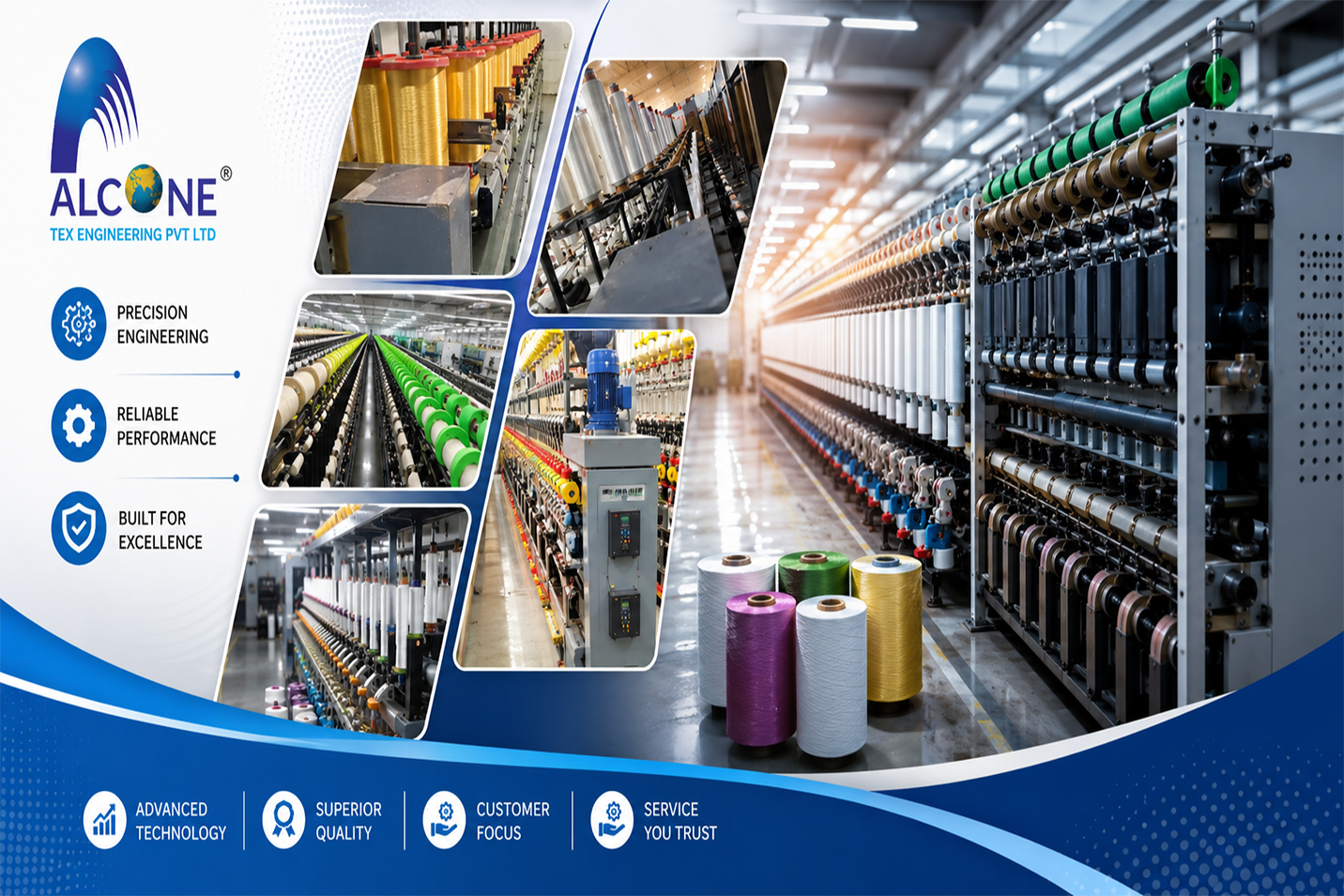
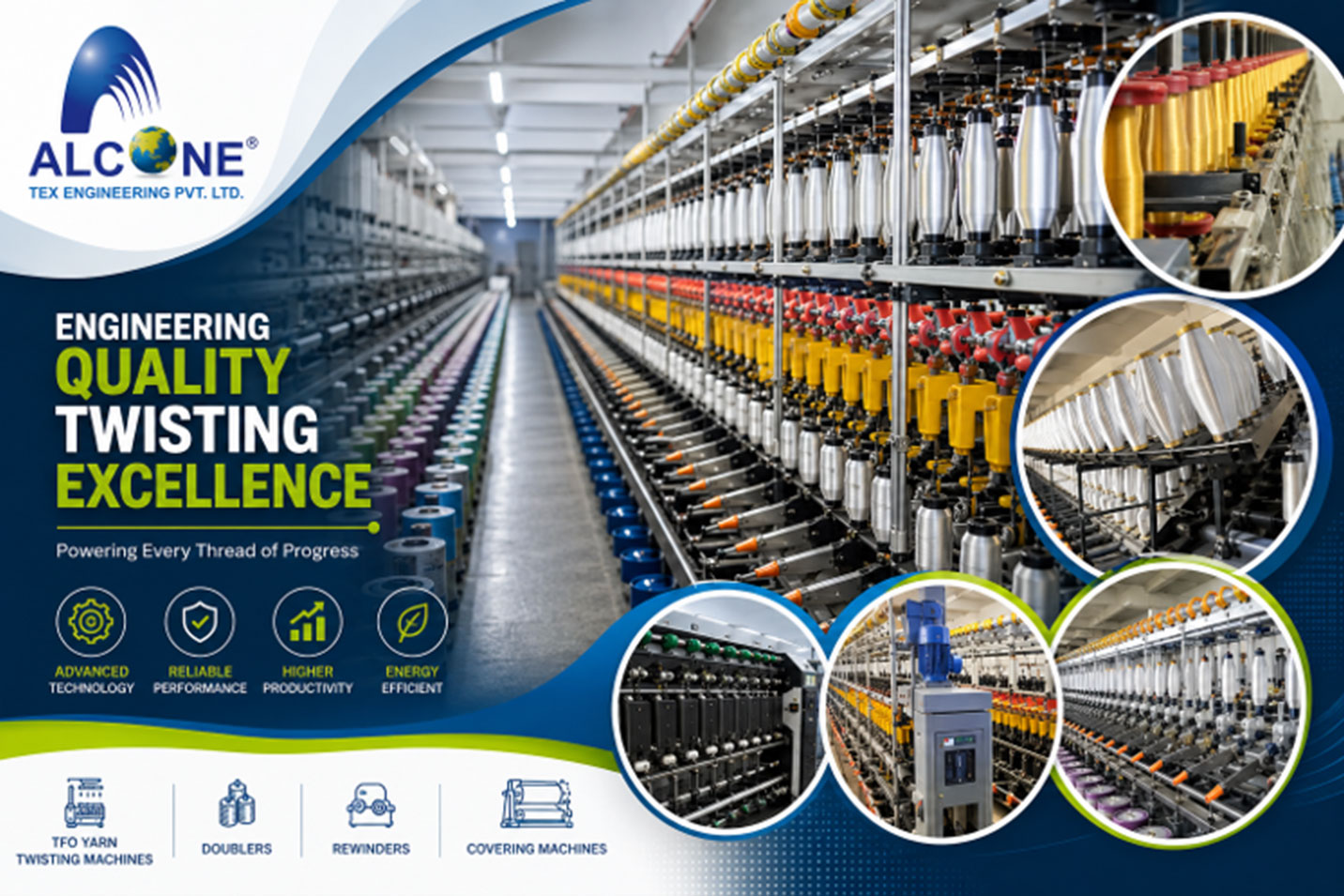
For example, Alcone Tex Engineering has been associated with textile yarn preparative machinery since 1982 and manufactures TFO Yarn Twisting Machines, Yarn Doublers, Rewinders, and Yarn Covering Machines. The company has built its reputation through continuous innovation and strong customer support.
The textile industry is rapidly moving toward automation.
Modern yarn twisting machines now include features such as:
These features improve production consistency while reducing operator dependency. Machines equipped with advanced controls can help manufacturers achieve higher productivity with fewer errors.
Even the best machine may require technical support at some point.
Before purchasing, ask:
Strong after-sales support ensures that production disruptions are minimized and your investment continues delivering value for years.
Choosing the right yarn twisting machine is not simply about purchasing equipment. It is about building a stronger, more efficient, and more profitable textile operation.
The ideal machine should provide excellent yarn quality, lower power consumption, reliable performance, easy maintenance, and long-term durability. By carefully evaluating your yarn type, production goals, machine quality, automation features, and supplier reputation, you can make a confident investment decision.
For textile manufacturers looking to improve productivity and yarn quality, partnering with an experienced manufacturer such as Alcone Tex Engineering Pvt. Ltd. can provide access to advanced TFO Yarn Twisting Machines, Doubling Machines, Rewinders, and Covering Machines designed to meet the evolving needs of the modern textile industry.
Copyright © 2026. All rights reserved by Alcone Tex Engineering pvt. Ltd. | Design and Developed By Arsh Infosystems


 Download Brochure